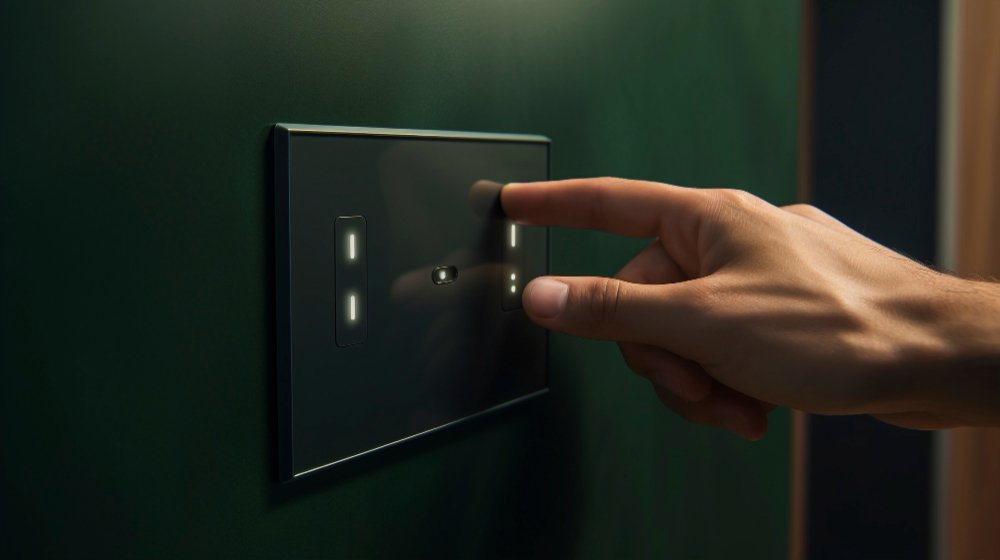
Smart home automation is changing the way people interact with their homes by bringing everyday devices, lighting and electrical systems together through connected technology. Instead of relying only on traditional switches and manual controls, homeowners can manage selected functions through smart switches, mobile applications, voice commands, schedules or automated scenes.
A smart home can include a range of automated features such as smart lighting, curtain motors, appliance control, security devices and connected electrical systems. Smart switches can provide convenient control of lights and other compatible loads, while motorized curtains can be scheduled or controlled electronically for greater convenience.
One of the biggest advantages of home automation is convenience. Everyday routines can become simpler—for example, lights can be controlled from a smartphone, curtains can open or close according to a schedule, and multiple devices can be managed together through predefined scenes. A well-planned system can also help create a more organized and connected living environment.
However, smart home automation is not simply about installing as many connected devices as possible. The right solution depends on the home’s electrical wiring, network connectivity, switchboard space, connected loads and the devices you want to automate.
For homeowners planning a new smart home or upgrading an existing property, it is useful to begin with the areas that can provide the most practical value. Smart switches, curtain motors and reliable networking can form a strong foundation for gradually expanding automation. With the right products and planning, technology can become a natural part of everyday living—making your home more convenient, connected and responsive to your needs.